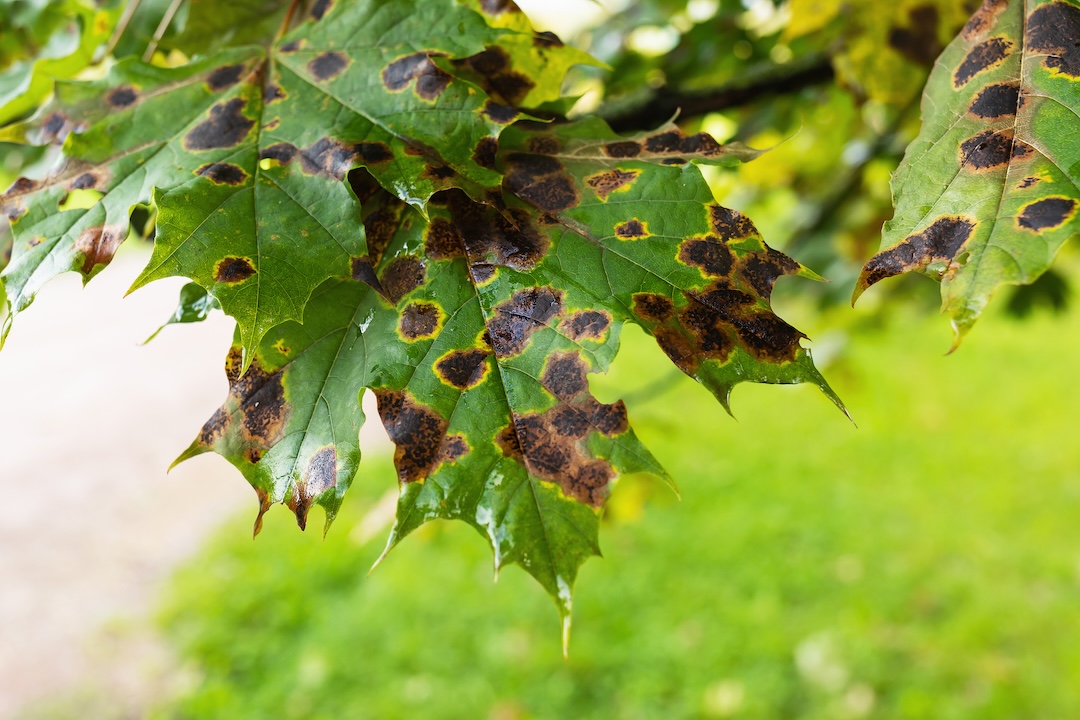
TREE FUNGAL CONTROL
Fungal diseases like fire blight, cytospora canker, and root rot can silently devastate your trees. Our ISA Certified Arborist diagnoses the specific pathogen, develops a targeted treatment plan, and implements cultural practices to prevent reinfection, saving trees others might give up on. Disease management in trees is as much about prevention and site conditions as it is about chemical treatment, which is why our approach addresses the underlying factors that made your tree vulnerable in the first place.
WHEN YOU NEED TREE FUNGAL CONTROL
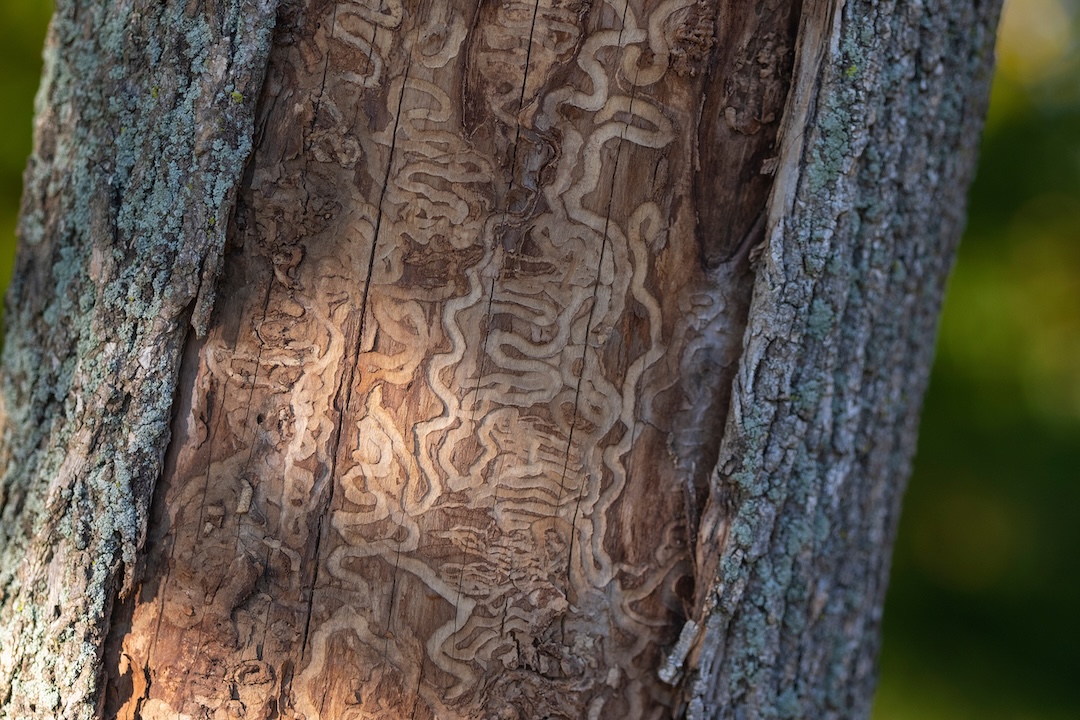
Fungal problems often mimic other issues. Watch for these signs:
- Mushrooms or conks growing on the trunk or at the base
- Cankers (sunken, discolored areas) on branches or trunk
- Leaves with spots, powdery coating, or premature browning
- Branch dieback progressing from tips inward
- Oozing sap or resin from bark (may indicate canker disease)
- Root flare decay or soft, spongy wood at the base
DISEASE MANAGEMENT PROCESS
Pathogen Identification
We identify the specific fungal or bacterial agent through visual diagnosis and lab analysis when needed. Accurate ID is critical for effective treatment.
Treatment Strategy
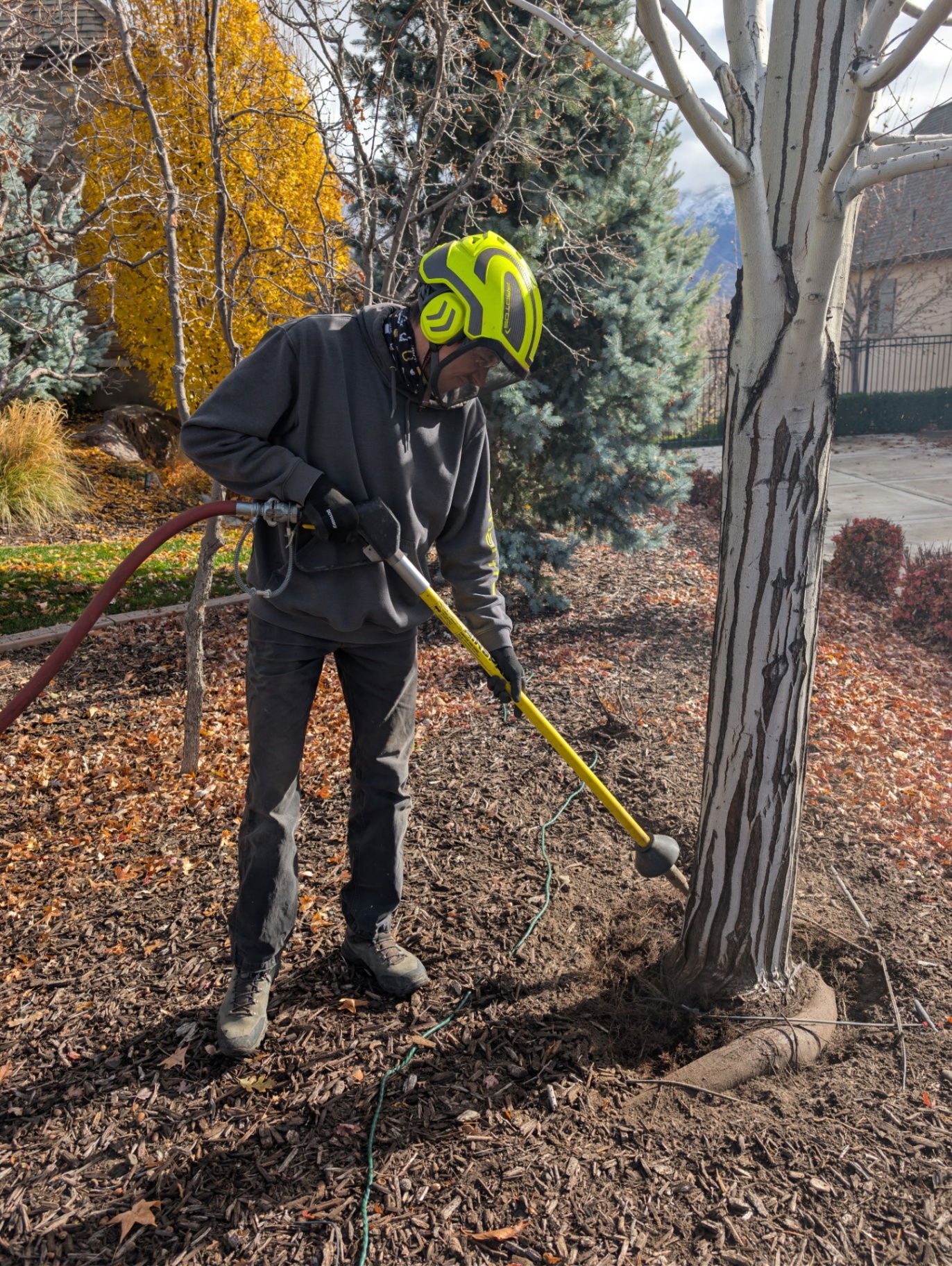
Based on the pathogen and tree species, we prescribe fungicide applications, pruning of infected tissue, or cultural modifications (drainage, mulching, soil amendment).
Infected Material Removal
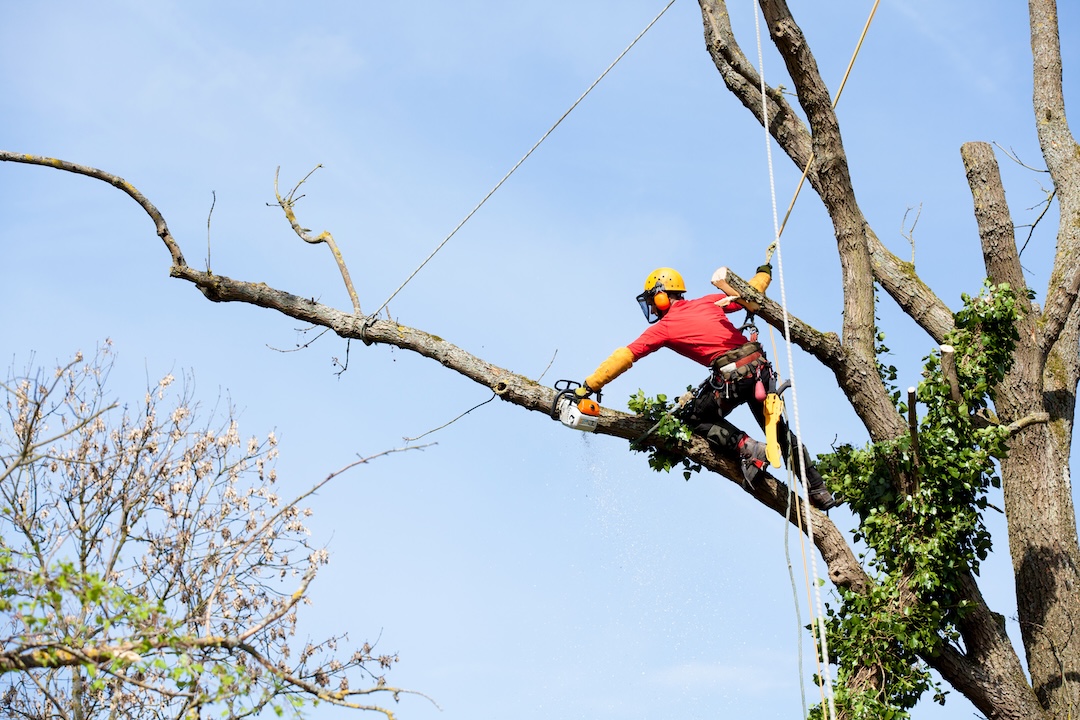
Diseased branches are pruned with sanitized tools and removed from the property to prevent reinfection. Cut timing and technique matter for disease management.
Prevention Plan
We address underlying conditions that made the tree susceptible: poor drainage, compacted soil, overcrowding. We schedule preventive treatments as needed.
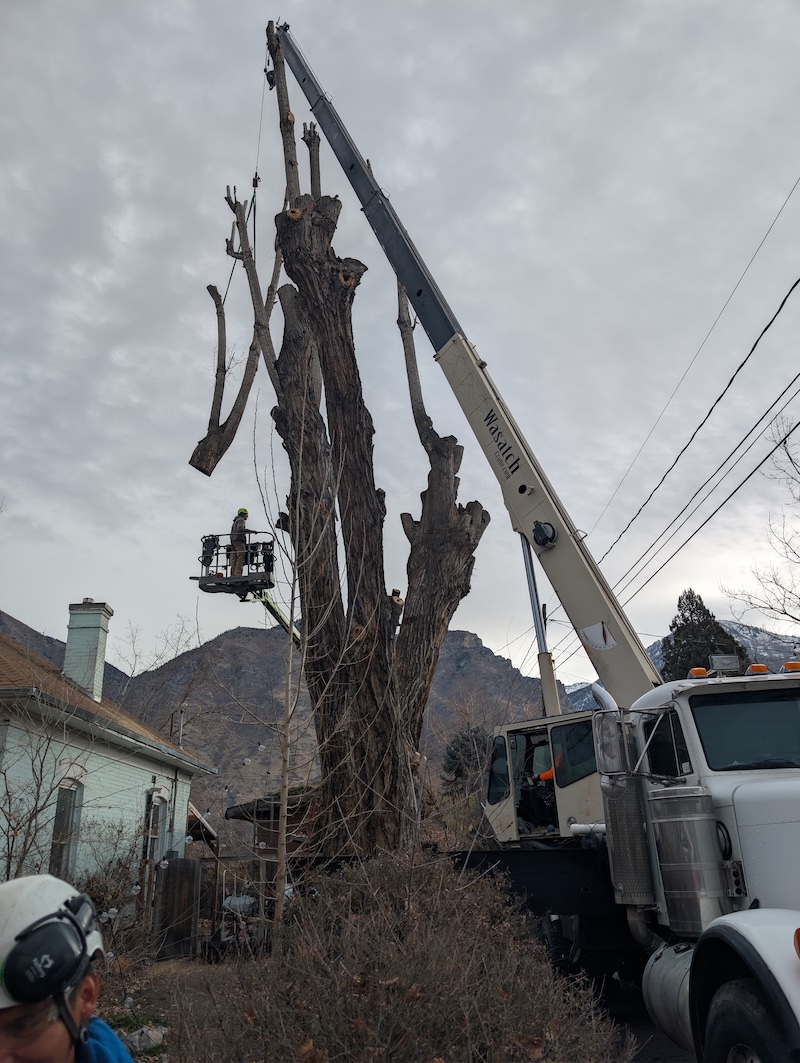
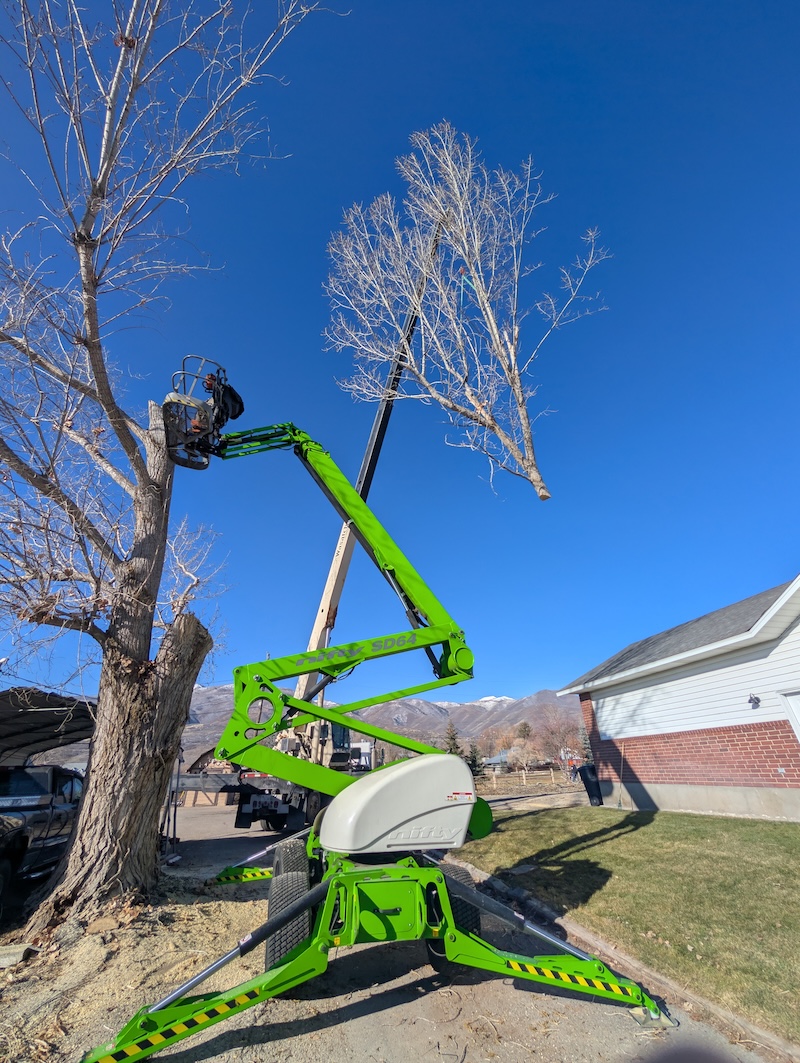
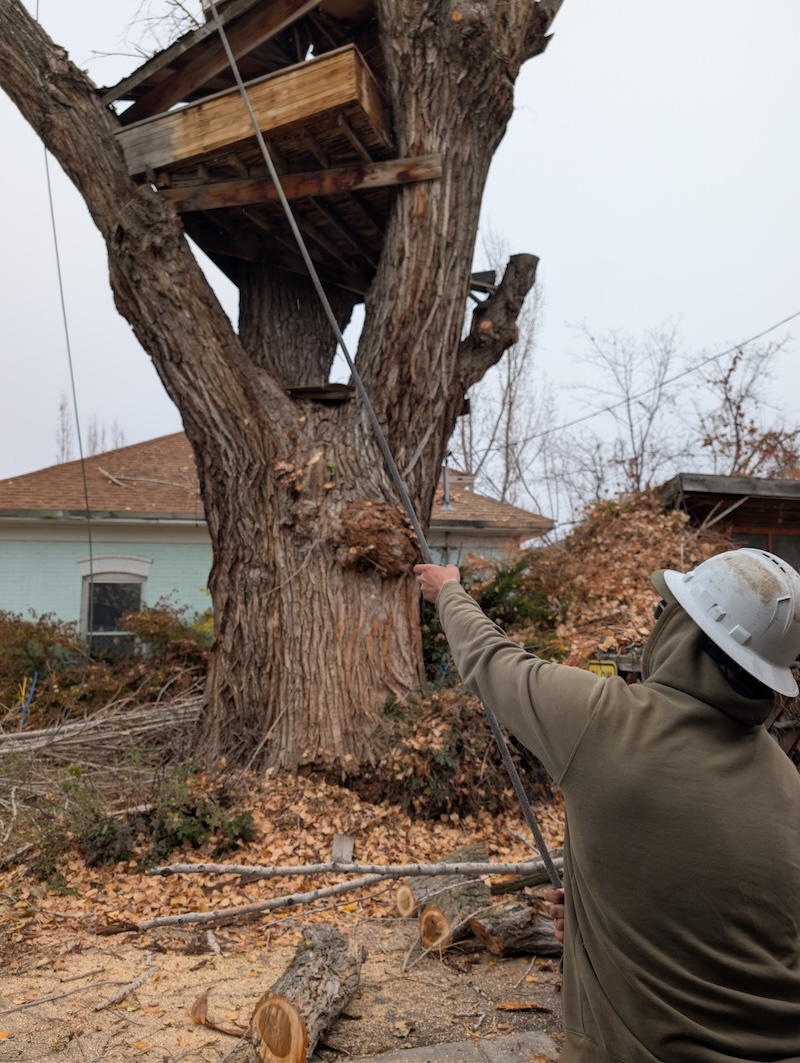
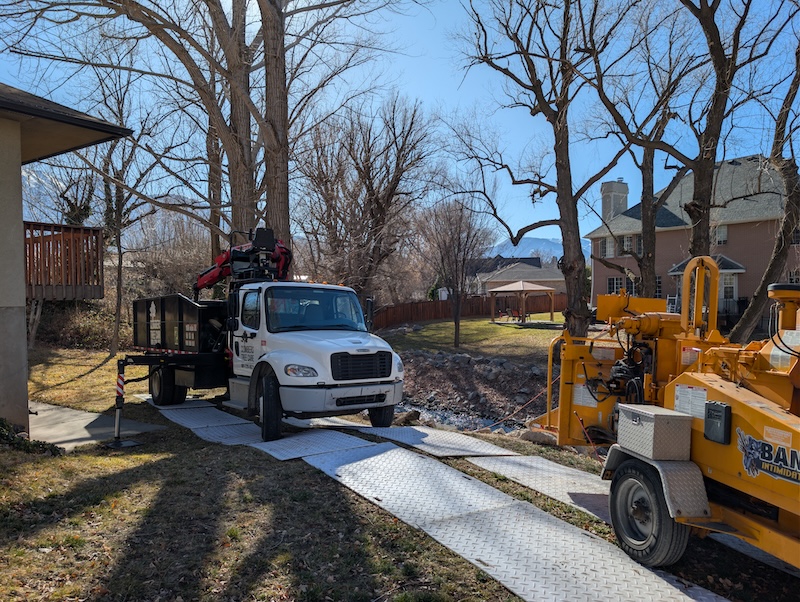
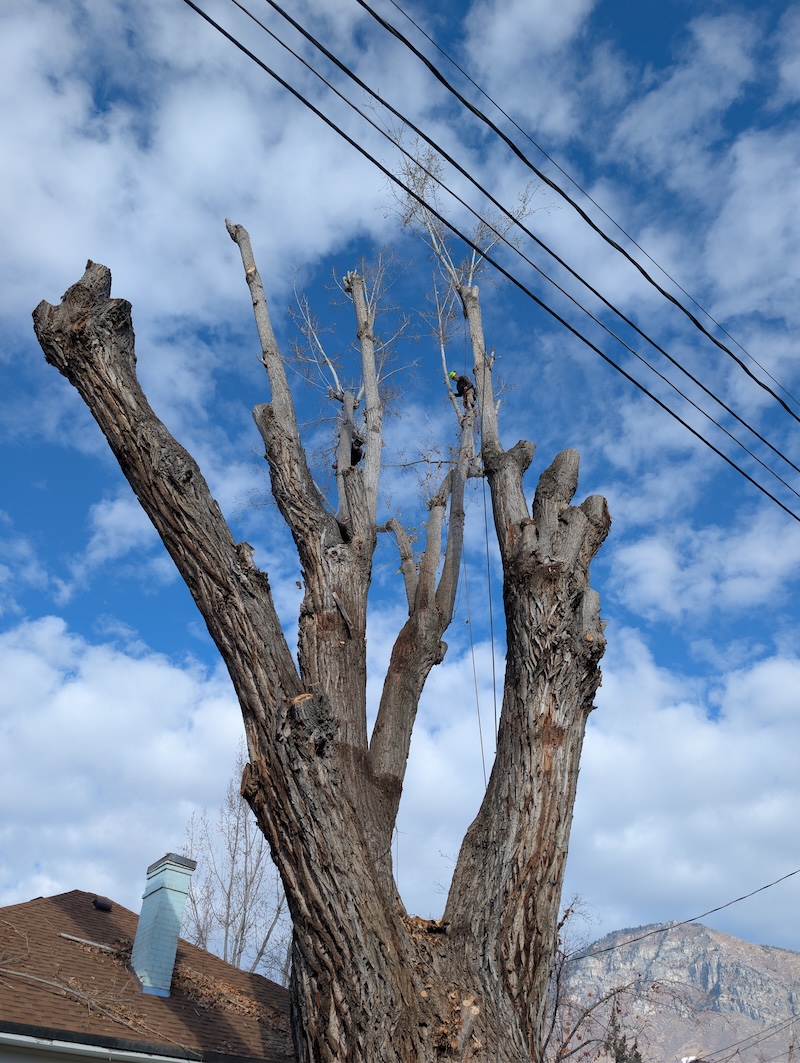
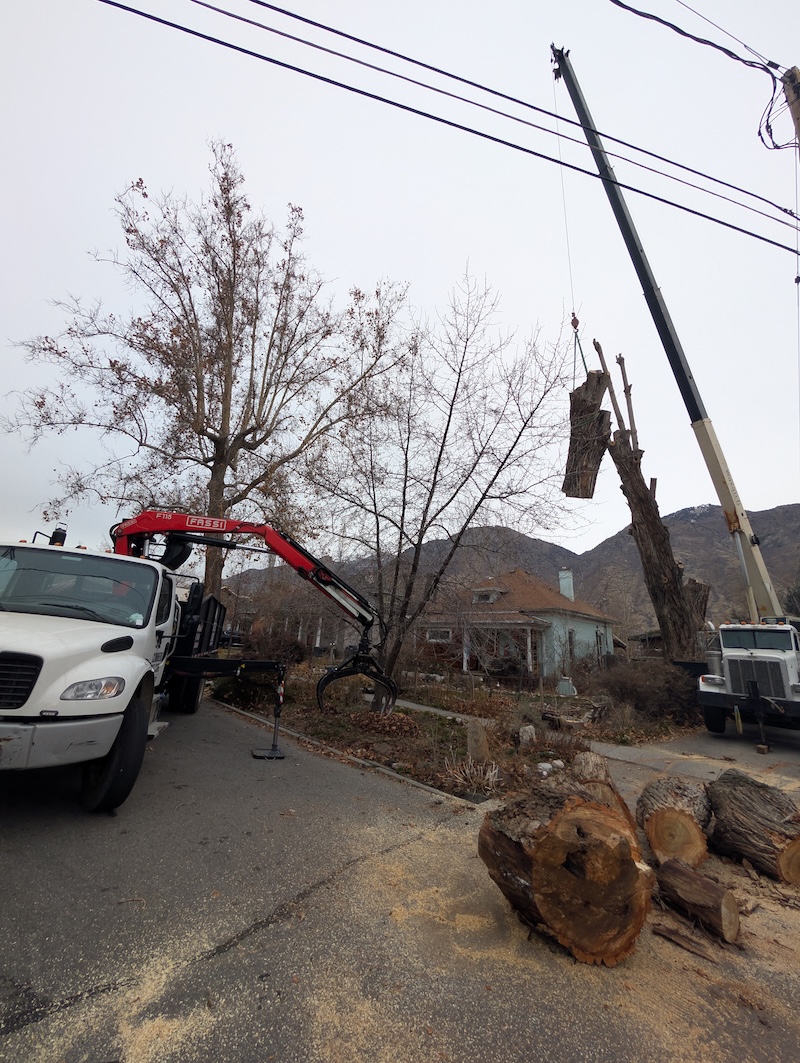
OUR TEAM IN ACTION
WHAT AFFECTS PRICING
Every job is different. Here are the factors that influence your quote:
- Number and size of affected trees
- Type of disease and treatment complexity
- Lab testing if required for diagnosis
- Pruning and removal of infected material
- Ongoing preventive treatment schedule
WHY HIRE A PRO
Tree disease diagnosis requires understanding pathology at a level that goes far beyond 'the tree looks sick.' Many fungal diseases mimic each other or mimic environmental stress, and misdiagnosis leads to ineffective treatment while the actual disease progresses. Our arborist knows the difference between cytospora canker and drought stress in spruce, between fire blight and winter dieback in fruit trees, between Verticillium wilt and root damage from construction. Accurate diagnosis drives effective treatment, and effective treatment often involves cultural changes (improving drainage, reducing irrigation, adjusting mulch depth) as much as fungicide application. Disease management is also about containment: sanitizing tools between cuts, removing infected material from the property, and timing pruning to avoid spreading pathogens during wet conditions.