TREE INSECT CONTROL
Utah's trees face threats from Ips bark beetles, bronze birch borers, aphids, spider mites, and more. Early detection and targeted treatment by an ISA Certified Arborist can save trees that would otherwise decline and die, protecting your property value and landscape. Insect infestations often start with subtle symptoms that are easy to miss, which is why professional diagnosis matters: catching an infestation early can mean the difference between a simple treatment and losing a tree you've grown for decades.
WHEN YOU NEED TREE INSECT CONTROL
Insect infestations often show subtle signs before major damage:
- Small holes in bark with sawdust-like frass (borers)
- Sticky residue (honeydew) on leaves or surfaces below the tree
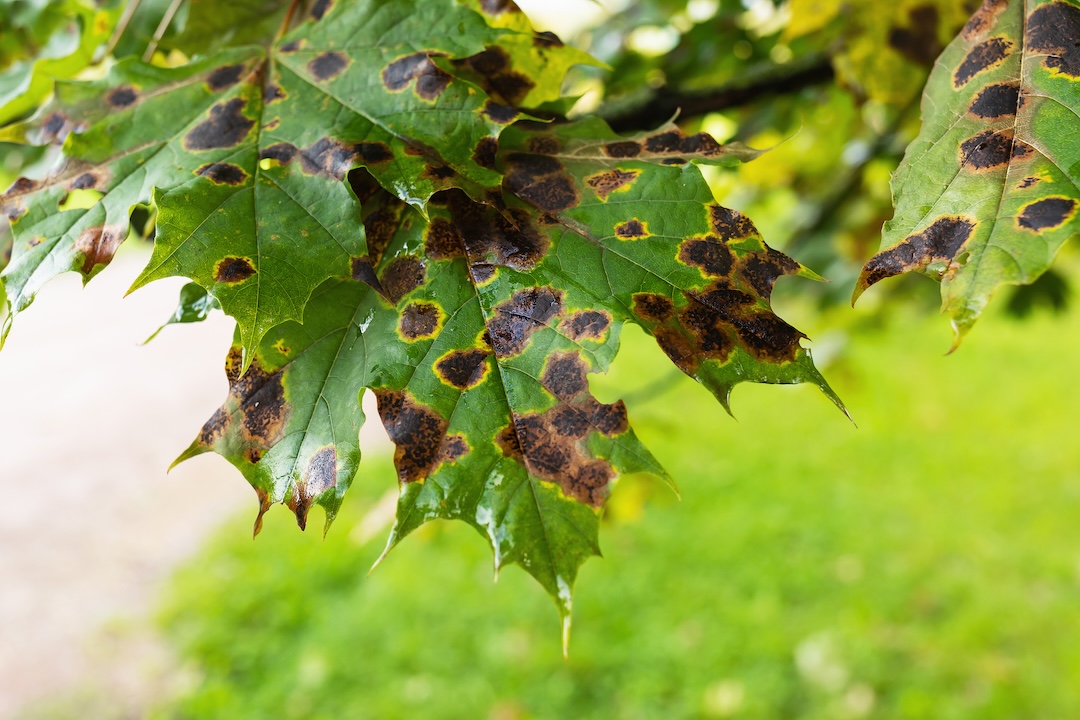
- Yellowing, curling, or dropping leaves out of season
- Webbing or silk tents in branches
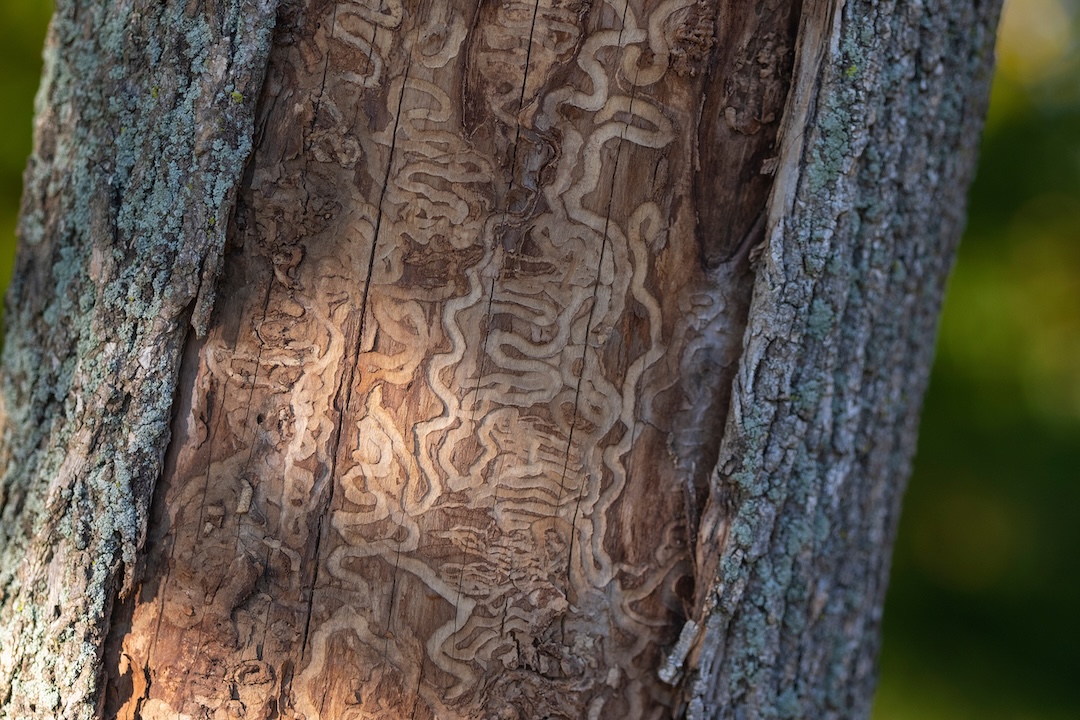
- Bark beetle galleries visible under peeling bark
- Woodpecker activity concentrated on one tree (they're hunting larvae)
INSECT CONTROL PROCESS
Identification & Diagnosis
We identify the specific pest, assess the level of infestation, and determine whether the tree can be saved or if damage is too advanced.
Treatment Plan
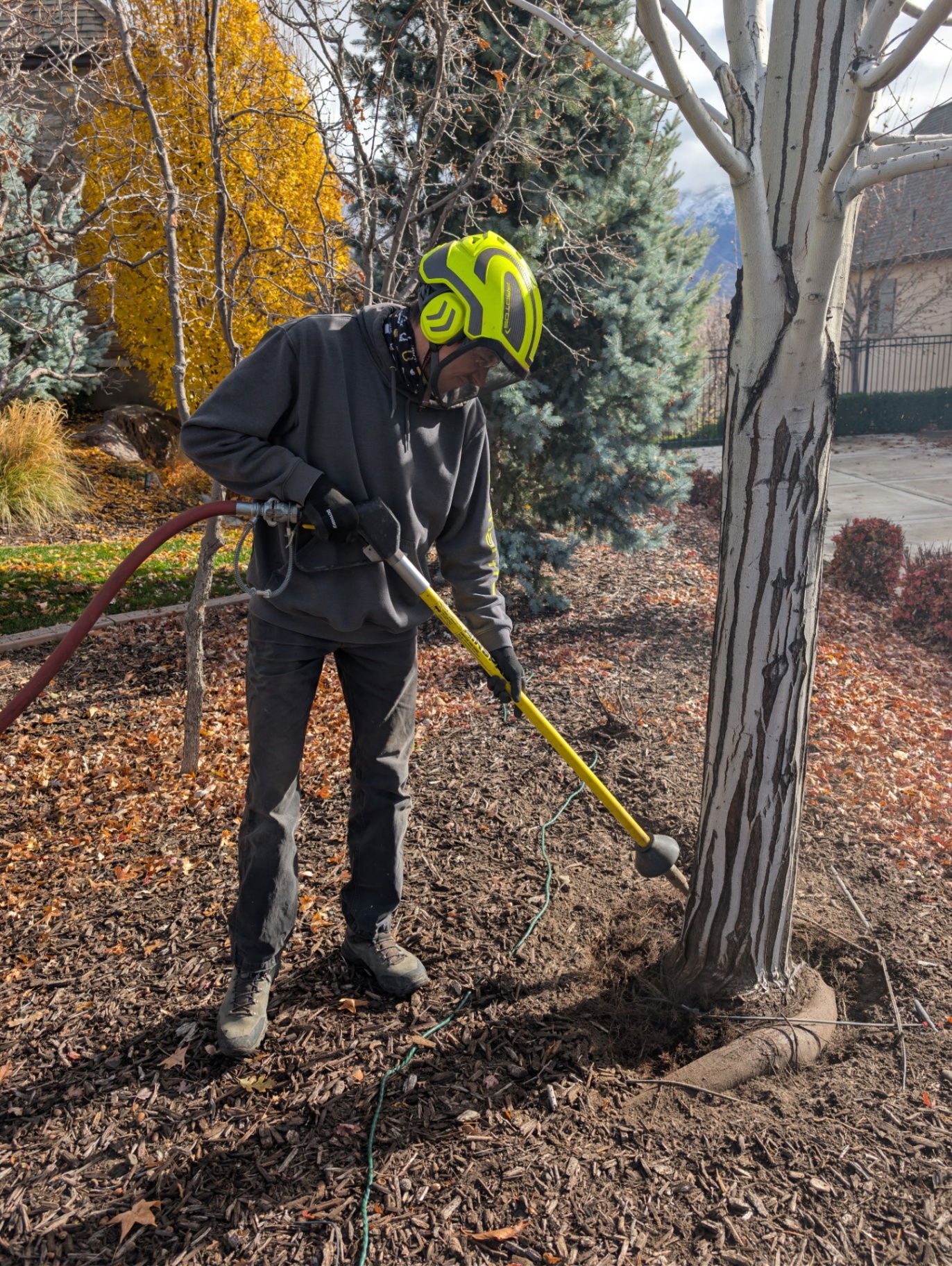
Based on the pest and tree species, we recommend targeted treatments: systemic injections, soil drenches, or foliar sprays, using the least-toxic effective option.
Application
Treatments are applied at the optimal time in the pest's life cycle for maximum effectiveness. Timing matters more than volume.
Monitoring & Follow-Up
We schedule follow-up inspections to confirm treatment effectiveness and catch any re-infestation early.
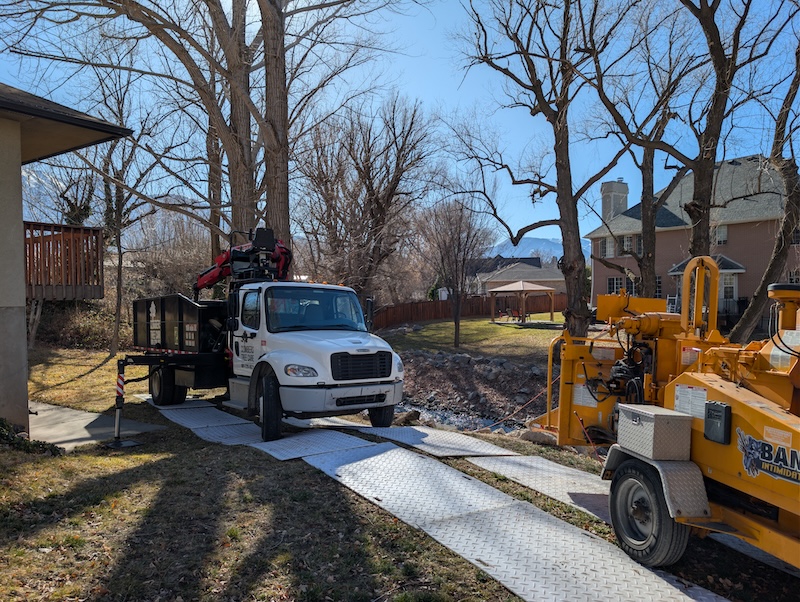
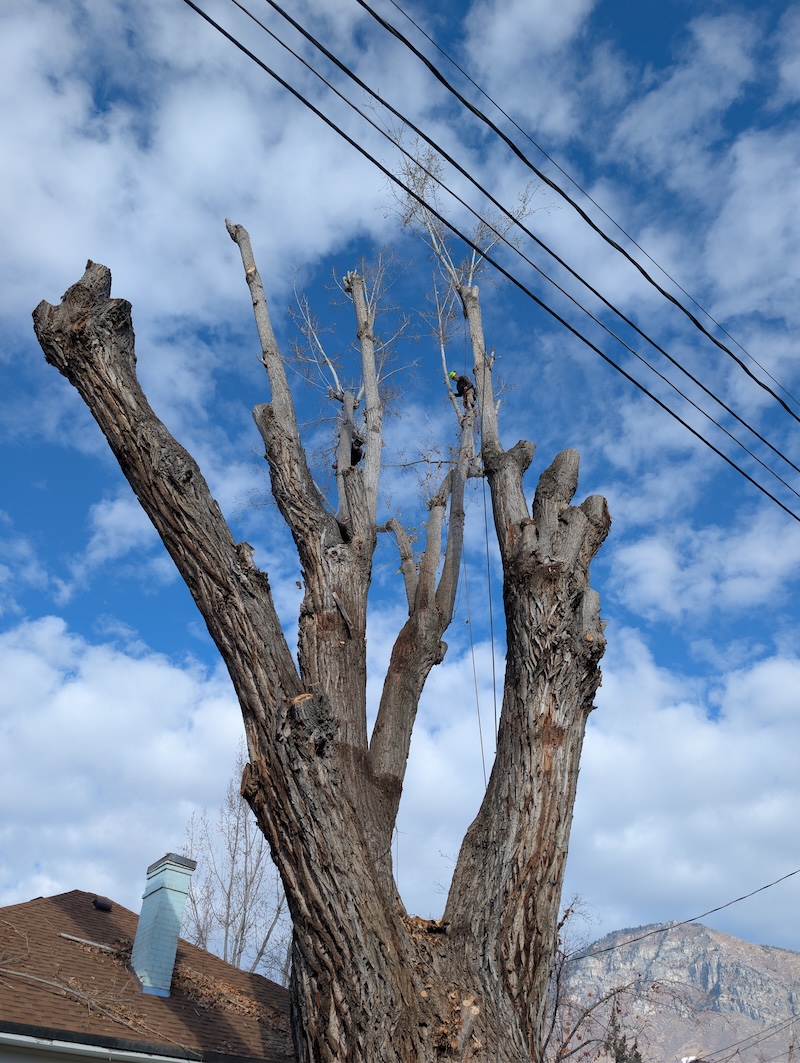
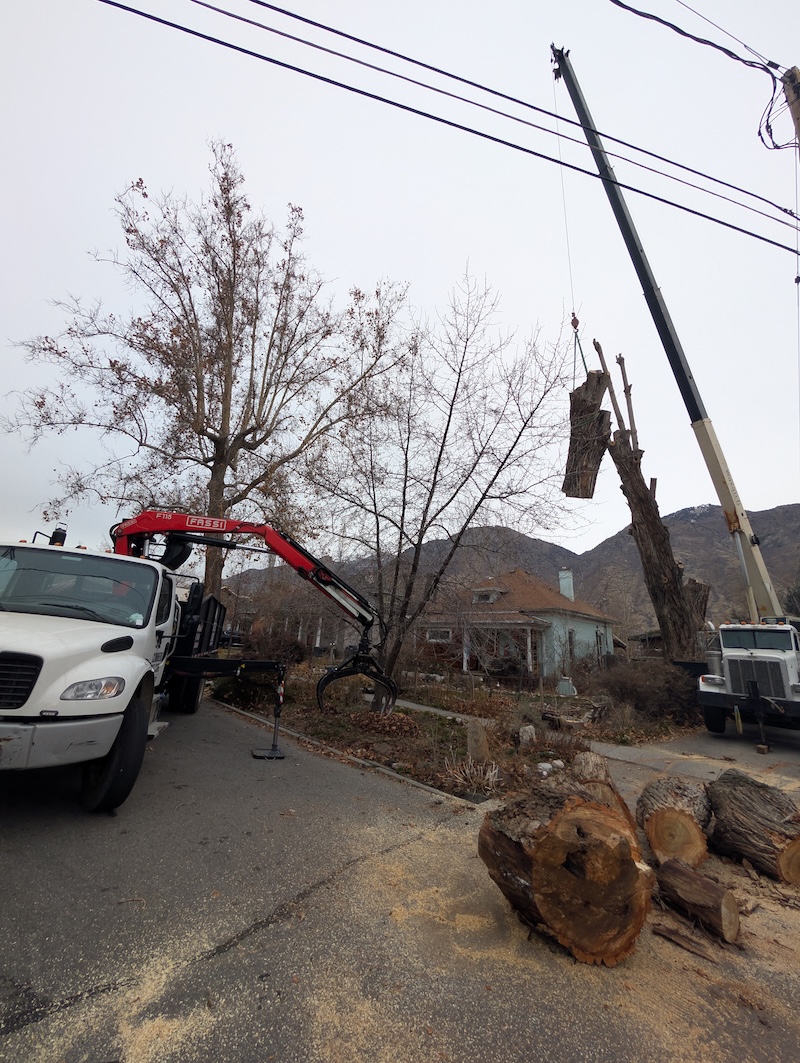
OUR TEAM IN ACTION
WHAT AFFECTS PRICING
Every job is different. Here are the factors that influence your quote:
- Tree size and number of affected trees
- Type of pest and severity of infestation
- Treatment method (injection, drench, spray)
- Number of treatment cycles needed
- Preventive treatments for at-risk trees
WHY HIRE A PRO
Insect control in trees is nothing like spraying a can of bug killer. Different pests require different treatment methods (systemic injection, soil drench, foliar spray, or biological controls), different timing in their life cycle, and different active ingredients. Treating at the wrong time wastes money and chemicals. Treating with the wrong method can harm beneficial insects without touching the target pest. Our arborist identifies the exact species causing the problem, not just 'bugs,' and prescribes the least-toxic, most effective treatment timed to the pest's vulnerable life stage. For bark beetles, that might mean preventive trunk sprays before beetle flight in spring. For borers, it might be a systemic injection that protects the tree from within for an entire season.